
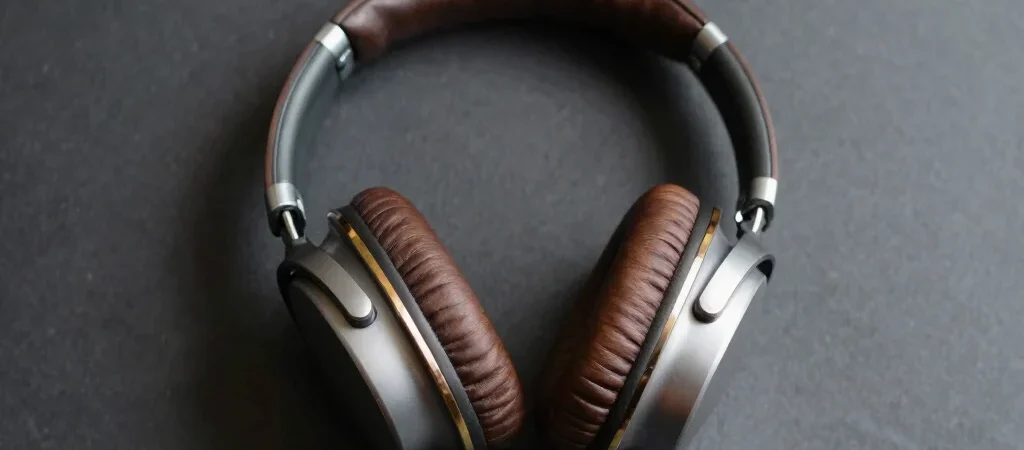
For listeners who prioritize realistic acoustic timbre over ambient noise isolation, open-back headphones offer an unparalleled sense of space. By allowing sound waves to vent freely through perforated earcups, these designs eliminate the internal acoustic reflections that cloud closed-back enclosures. Instruments sound unconstrained, as though performing in a natural room rather than inside a sealed chamber. Understanding planar magnetic and dynamic driver characteristics helps narrow the path toward perfect tonal balance.
Dynamic Versus Planar Magnetic Driver Performance
Dynamic drivers use lightweight moving coils to produce punchy bass and natural vocal warmth, making them forgiving across diverse musical genres. Planar magnetic drivers utilize ultra-thin diaphragms suspended within magnetic arrays, delivering blazingly fast transient response and exceptionally low distortion. While planar designs require robust amplification to reach their potential, their ability to layer complex acoustic arrangements remains extraordinary. Choosing between these technologies depends largely on your existing source gear and sonic priorities.
Impedance Matching and Headphone Amplifier Selection
High-impedance headphones demand clean voltage swing from a dedicated amplifier, whereas low-impedance models require stable current delivery. Pairing demanding drivers directly with low-power portable outputs often yields thin bass and compressed dynamic range. A dedicated headphone amplifier provides the current reserves necessary to maintain control over diaphragm movement during sudden musical transients. Proper amplification transforms critical listening from a passive activity into an immersive experience.
Ergonomics and Long-Term Listening Comfort
Because open-back models are designed for dedicated indoor listening, physical comfort is just as critical as sonic fidelity. Velour or perforated leather earpads distribute pressure evenly while preventing heat buildup around the ears during extended sessions. Headband weight distribution and clamping force dictate whether an audio headphone remains comfortable after hours of continuous use. Selecting an ergonomic frame ensures that mechanical fatigue never interrupts your focus.